What the property manager is actually worried about
A property manager is not tracking your drops. They are answering three questions from tenants and the building owner: is the work happening, when will the noise and the ropes outside the window stop, and did anything go wrong. Every report you send should answer those three questions in the first five seconds.
If they have to open a PDF and read to page three to find the answer, they will not, and they will call instead.
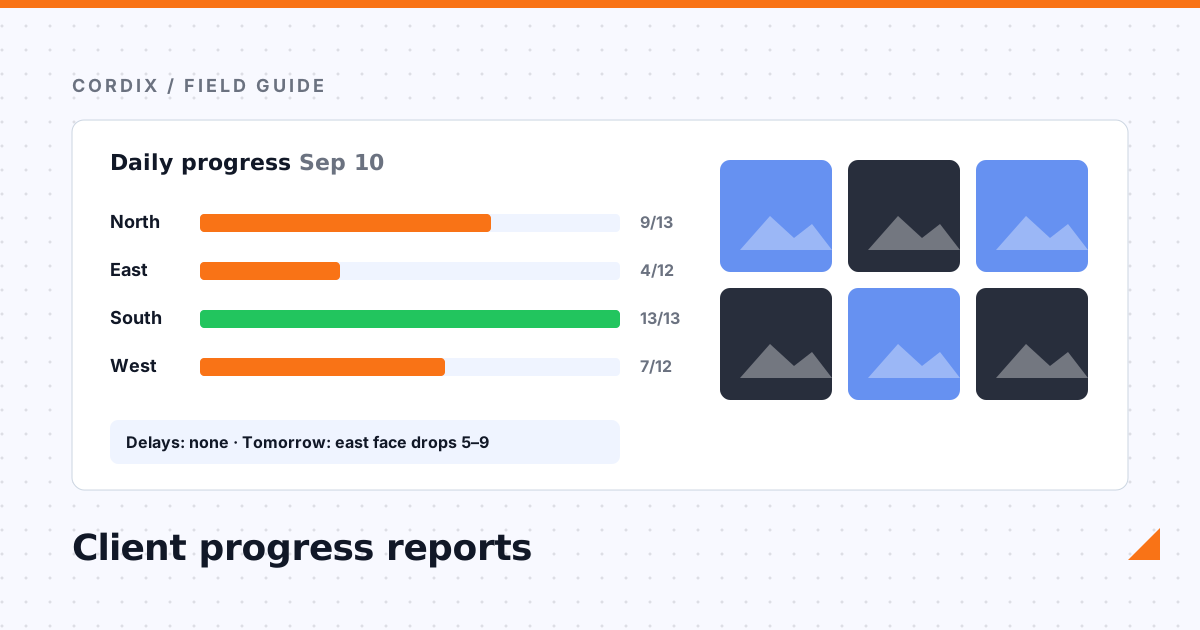
The one-screen format
Lead with the date and the site. Then show progress per face as a simple bar with the drop count, for example north 9 of 13. Then four to six photos from that day taken from the rope, so the manager can see the actual work rather than a crew photo at ground level. Then a short section for delays or incidents, even if it just says none. Finish with the plan for tomorrow.
That is the entire report. It fits on a phone screen, which is where it will be read.
Send it daily during active work
Daily is the right cadence while crews are on the building. It is also the cadence that stops the phone calls. A manager who receives a report at 5 pm every day does not need to ask how it went.
When work is paused for weather, send the weather notice in the same format and from the same sender. A silent day is worse than a delay notice.
Generate it, do not write it
If a coordinator is assembling the client report by hand from photos in a group chat, it will be late, inconsistent, and eventually skipped. The report should be generated from the same records the crew created during the day, reviewed by someone in the office, and then sent.
Review matters. The internal record contains near misses, equipment tag-outs, and crew notes that do not belong in a client update. The office should choose what to include, approve it, and send a frozen snapshot so the client sees exactly what was approved.
Use the report as a sales asset
Ask permission to keep a sample report from a finished job with the building name removed. When you quote the next tower, show the property manager what they will receive every day. It is a stronger differentiator than price for most commercial facade contracts, because it removes the thing managers dislike most about contractors: not knowing what is going on.
Client reports generated from the field record
Cordix builds daily progress and weather delay reports from approved technician submissions, with review, approval, and a revocable client link.
Request a demo